
Loading...
Serving Liberty Lake, WA and surrounding areas. (509) 241-9340
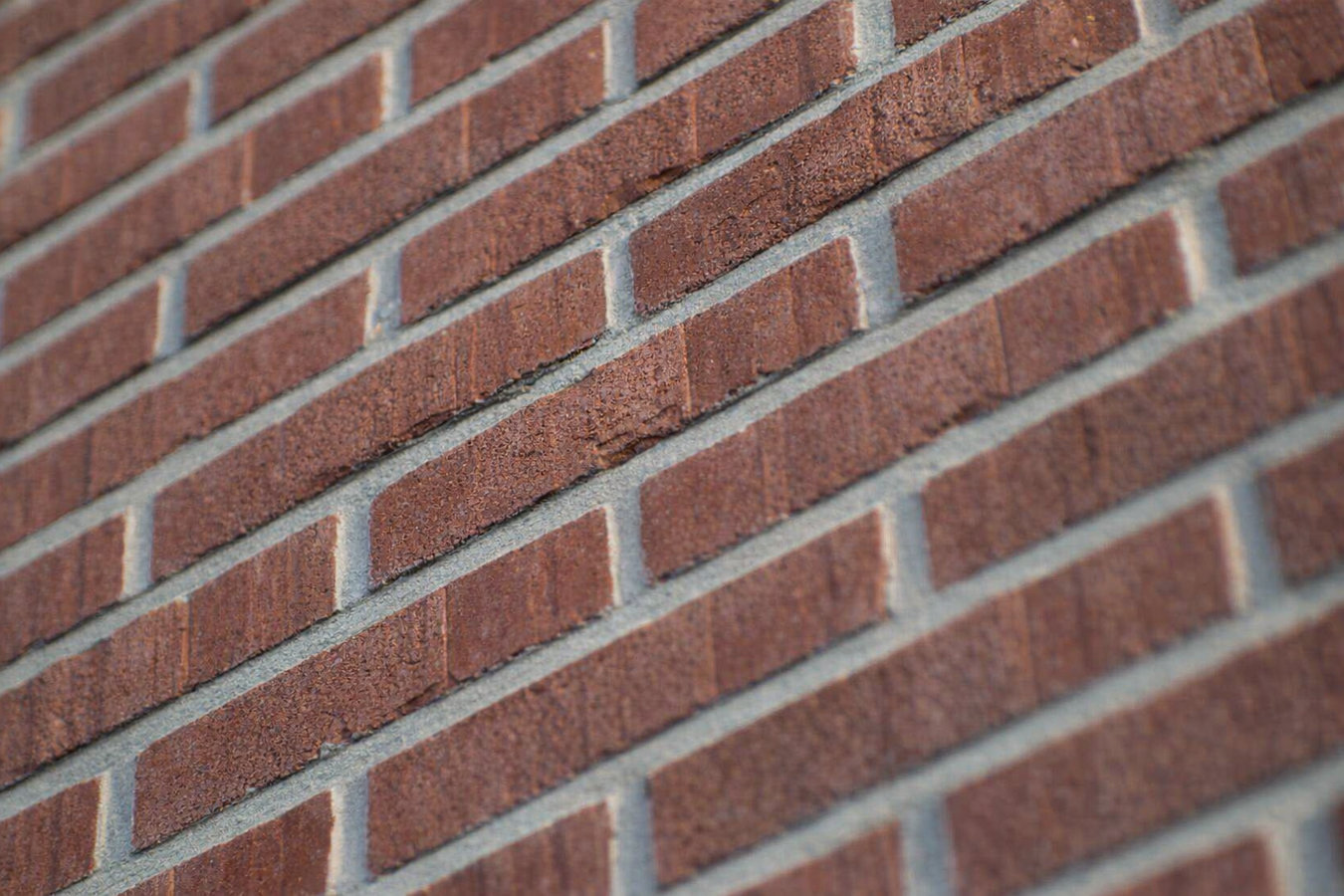
Crumbling mortar joints let water in. Liberty Lake winters freeze that water and push it deeper every year. Brick pointing replaces failing joints with properly matched mortar - protecting your chimney, retaining wall, or exterior brick before small damage becomes expensive brick replacement.
Brick pointing in Liberty Lake, WA means grinding or chiseling out crumbling mortar joints to a proper depth and packing in fresh mortar that is matched to your existing brick, with most chimney jobs completing in one day and exterior wall sections finishing in one to three days. The mortar between your bricks is designed to wear out gradually so the bricks themselves do not crack - but when those joints start failing, water gets in, freezes, and accelerates the damage. Catching it at the mortar stage is far less costly than waiting until bricks start spalling or blowing out.
Liberty Lake homeowners most commonly call us for brick pointing on chimneys, brick retaining walls, and decorative brick accents on home exteriors - all areas where mortar takes a beating from the Spokane Valley freeze-thaw cycle. This work is closely related to foundation repair when deteriorating mortar on a foundation wall has allowed moisture to reach the structure, and to masonry restoration when the scope extends beyond mortar joints to damaged brick faces or broader structural work.
Run your finger along the mortar joints between your bricks. If the material feels soft, sandy, or breaks away with light pressure, it has lost its integrity. Healthy mortar feels firm and solid - not like dry sand. Soft mortar is no longer sealing the joint against water.
Stand back and look at your brick wall or chimney. If the mortar lines look sunken, hollow, or visibly pulled away from the brick edges, water is already getting in. In Liberty Lake's wet fall and winter seasons, those open joints become pathways for moisture that freezes and expands against your brickwork.
A chalky white residue on the face of your bricks - called efflorescence - means water is moving through the wall and carrying dissolved salts to the surface. It is not dangerous on its own, but it reliably signals that moisture is getting in somewhere, and failing mortar joints are the most common cause.
If you notice fresh cracks in your mortar joints each spring - especially on north-facing walls or around your chimney - that is the freeze-thaw cycle at work. Liberty Lake winters regularly cycle above and below freezing, and walls that were fine in October can show new joint damage by March. Catching this pattern early prevents the damage from compounding.
Every brick pointing job we do starts with proper joint removal - grinding or chiseling out old mortar to a depth of roughly three-quarters of an inch before any new material goes in. A contractor who skips this step and just smears fresh mortar over old is doing work that will look fine initially and fail within a few years. The removal takes time and makes noise, but it is the only way to get new mortar to bond correctly. Once the joints are clean, we mix mortar matched to your brick type and apply it by hand, shaping each joint to match your wall's existing profile. For most Liberty Lake homes, this means checking against your HOA's approved finishes if your neighborhood has design requirements - we ask about this upfront so the finished color and joint style does not create any problems with your association. We also serve homeowners in foundation repair situations where failing mortar on a foundation wall is contributing to moisture problems, and in masonry restoration projects where the scope of work goes beyond mortar joints to damaged brick faces or structural concerns.
Cleanup is part of the job. Before we leave, mortar dust and debris are brushed and vacuumed from the work surface and surrounding area, and we walk the finished wall with you before packing up. Fresh mortar needs 24 to 48 hours before it can get wet and up to 28 days to reach full strength - we tell you exactly what to avoid during that window before we go. Every project comes with a written estimate that breaks down labor, materials, and any scaffolding costs as separate line items.
For homeowners whose chimney mortar is deteriorating - the most common repointing job and one of the most important, since a damaged chimney cap and failing joints accelerate moisture damage rapidly.
For homeowners with brick veneer or solid brick walls showing worn, crumbling, or recessed joints that are no longer keeping water out.
For homeowners whose brick retaining wall joints have started failing, allowing water to work into the wall and increasing the risk of structural movement.
For homeowners with brick entry steps or porch walls where mortar has worn or cracked and the surface has become a maintenance issue.
For homeowners with isolated areas of joint failure on an otherwise sound wall - targeted repairs that address the problem without a full repoint.
For homeowners in Liberty Lake's planned communities who need mortar matched to existing joints and a finished result that meets association appearance guidelines.
Liberty Lake sits in the Spokane Valley, where winter temperatures regularly drop below freezing and then climb back above it - sometimes multiple times in a single week. Each of those freeze-thaw cycles pushes water that has seeped into cracked or worn mortar joints to expand and contract, slowly breaking the joints apart from the inside. This is why mortar on Liberty Lake homes tends to deteriorate faster than homeowners expect, and why walls that looked fine last fall can show new damage by spring. The city was incorporated in 2001 and grew rapidly through the 2000s and 2010s, meaning most homes are 15 to 25 years old - right in the window when brick veneer and brick accent features commonly start showing their first mortar wear. If your home has any brick features and you have not had them inspected in the past few years, it is a reasonable time to take a look. We also serve homeowners throughout Spokane Valley and Post Falls, where the same freeze-thaw conditions affect brick and mortar in exactly the same way.
Liberty Lake also has a higher-than-average concentration of planned subdivisions with active HOAs, many of which govern exterior appearance - including the color and finish of mortar on visible brick surfaces. Most repointing work sails through without issue when the mortar is matched carefully, but some associations require written approval before exterior repairs begin. We ask about HOA requirements upfront and can help you document the project for review if needed. The Brick Industry Association and the Mason Contractors Association of America both publish technical guidance on mortar selection and repointing best practices that inform how we approach this work.
Tell us what type of brick feature needs attention and roughly how large the area is. We will ask a few basic questions and schedule a time to come out and look at the wall in person. This visit costs you nothing and usually takes 20 to 45 minutes.
The mason walks the wall or chimney, checks the condition of the mortar joints and brick faces, and looks for any areas where water may have already gotten in. You get a written estimate that explains what needs to be done and why - no surprise scope on the day of work.
The crew grinds or chisels out old mortar to the right depth - the noisiest part of the job and the step that determines how long the repair lasts. Once joints are clean, fresh mortar is packed in by hand and shaped to match your existing joint profile.
Before leaving, the crew cleans mortar dust and debris from the work area. We walk the finished wall with you and explain the curing window - typically 24 to 48 hours before the joints can get wet, and up to 28 days to full strength.
Free site visit and written estimate. We come out, look at your joints, and tell you exactly what needs to happen - no obligation.
(509) 241-9340The single most important indicator of quality repointing is whether the contractor actually removes the old mortar before applying new material. We grind or chisel out joints to the proper depth on every job. Applying new mortar over old is a shortcut that looks fine for a season and fails completely within a few years. We do not do it, and we will point out if another estimate is priced in a way that suggests they will.
Using mortar that is harder than your brick causes the brick faces to crack and spall over time - a more expensive problem than the failing joints you started with. We select mortar that is appropriate for your specific brick and match the color to your existing joints. For homes in Liberty Lake's HOA communities, we match to association standards and can provide documentation for review.
Any masonry contractor working legally in Washington must be registered with the state Department of Labor and Industries, and you can verify that registration online before signing anything. We are registered, bonded, and carry liability insurance and workers' compensation coverage on every project. This protects your property if something unexpected happens on site and protects you from personal liability.
The ideal window for brick pointing in Liberty Lake is August through October - mild, dry conditions that let mortar cure correctly before the first hard freeze. We help homeowners time their project to seal joints before winter rather than discovering more damage in the spring. If your joints are showing wear now, this season is the right time to act, not next spring.
Brick pointing done correctly is maintenance work that lasts 20 to 30 years. Done poorly, it fails in two or three seasons and leaves the underlying problem worse than before. Every job we do is built around proper joint removal, correctly matched mortar, and finished joints that look consistent and hold up through the Spokane Valley winters that Liberty Lake homeowners deal with every year.
Structural repair for foundations where deteriorating mortar or water infiltration has compromised the wall below grade.
Learn MoreBroader repair and restoration work when damage extends beyond mortar joints to the brick faces or underlying structure.
Learn MoreFall is the best window for repointing in the Spokane Valley - book now before temperatures drop and your walls face another winter with failing joints.