Loading...
Serving Liberty Lake, WA and surrounding areas. (509) 241-9340
Liberty Lake Concrete & Masonry has worked across Spokane Valley since 2017, delivering foundation repair, chimney repair, and tuckpointing to a community where ranch homes and older masonry face real winter freeze cycles every year.
Spokane Valley sits on glacial outwash soils that hold moisture unevenly and freeze 12 to 18 inches deep each winter, which puts consistent pressure on crawl space foundations and slab edges. Our foundation repair work addresses the drainage and soil conditions behind the crack - not just the crack itself - so the fix holds through the next freeze cycle.
Many Spokane Valley homes were built between the 1950s and 1980s, and chimneys on that era of construction are now well into the window where mortar joints, crowns, and liners need professional attention. Wood-burning fireplaces are widely used here, and actively used chimneys accumulate creosote and thermal stress faster than ones that sit idle.
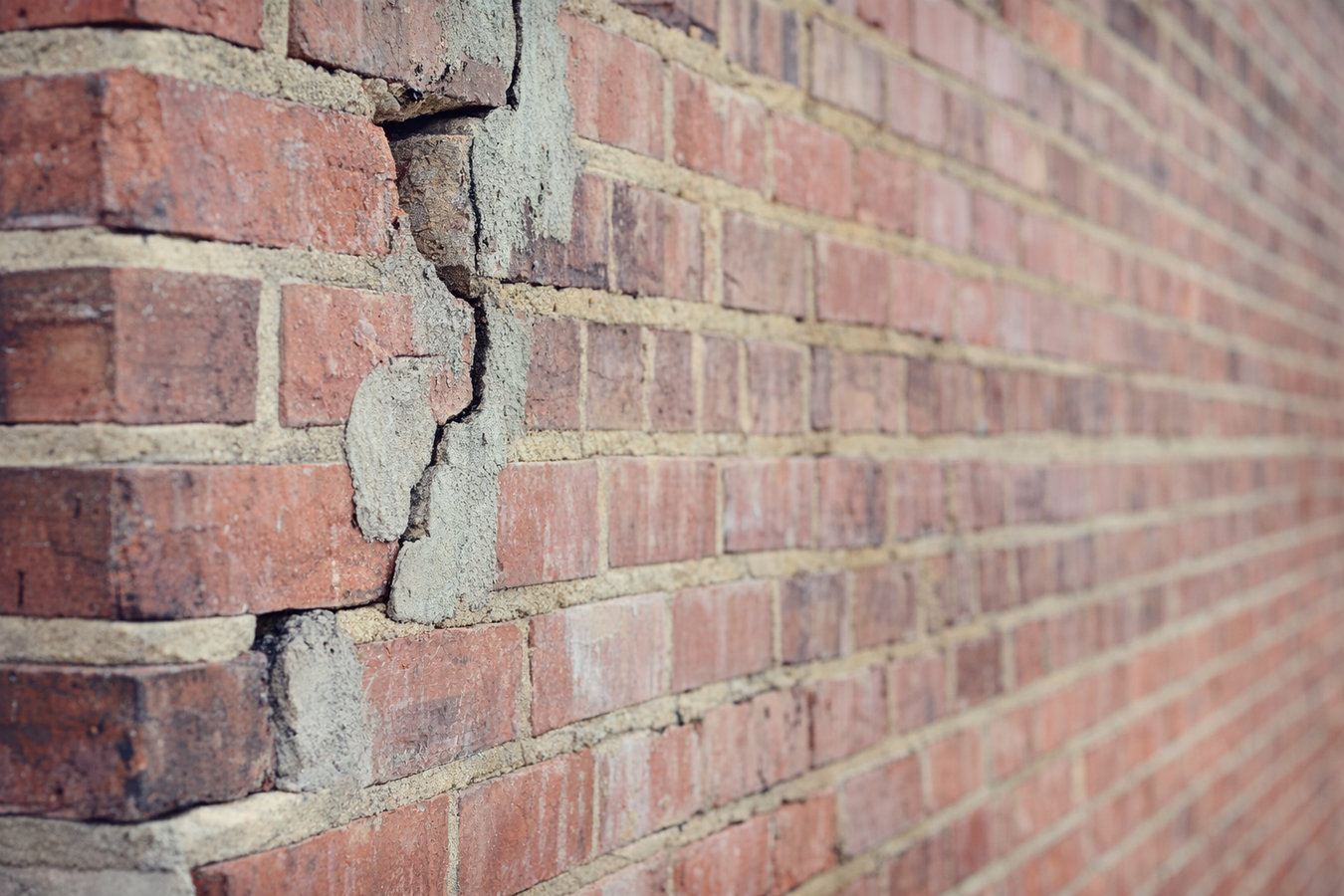
On older Spokane Valley homes, original mortar joints often show the cumulative effect of 40 or 50 winters. Repointing before mortar gaps widen enough to let water in behind a brick wall prevents the much larger repair that follows once moisture has worked its way into the structure.
Properties on Spokane Valley slopes or near the Spokane River corridor often need retaining walls that can handle frost heave pressure. Walls built here must be engineered with frost depth in mind - a retaining wall that shifts its first winter is one that was not built for this climate.
Ranch homes on mid-sized flat lots are the dominant housing type in Spokane Valley, and many have original concrete driveways that have been through 30 to 50 freeze-thaw winters. Paver installations give these homeowners a durable surface that handles seasonal movement better than a single poured slab.
Spokane Valley commercial and residential properties alike use concrete block construction for outbuildings, fences, and perimeter walls. Block walls built to depth here hold up to the valley's frost conditions without the cracking and heaving that affects shallower or improperly drained masonry.
Spokane Valley is one of Washington State's larger cities, and most of its housing was built between the 1950s and 1990s - ranch homes with crawl spaces or slab foundations, wood-frame construction, and concrete driveways that have now been through several decades of freeze-thaw cycles. That combination of housing age and inland climate creates consistent masonry demand. Chimneys on mid-century homes need mortar work. Driveways heave and crack from frost. Foundation walls in crawl spaces show moisture intrusion every spring when snowmelt moves through the valley soils.
The city's flat terrain along the valley floor sits on glacial outwash soils that drain quickly in some spots and hold water in others - particularly in lower-lying neighborhoods near the Spokane River. Frost depth here regularly reaches 12 to 18 inches, which means any masonry structure in contact with the ground has to be built and repaired with that depth in mind. A contractor who cuts corners on base preparation or drainage in Spokane Valley will have a customer calling them back after the first hard winter.
Our crew works throughout Spokane Valley regularly, and we pull permits through the City of Spokane Valley building department - not Spokane County and not the City of Spokane. Spokane Valley incorporated in 2003 and runs its own permit office at City Hall on Sprague Avenue, so knowing that distinction up front keeps projects moving without unnecessary delays.
The homes we see most often in Spokane Valley are ranch-style builds from the 1960s through 1980s, with attached garages, standard concrete driveways, and crawl space or slab foundations. Whether the address is near Sullivan Road and the Spokane Valley Mall area or out in the Greenacres neighborhoods on the east side of the valley, the masonry challenges are consistent: aging chimney mortar, heaved concrete, and moisture in crawl spaces after spring snowmelt. We know what to look for before we arrive.
We also serve homeowners in Veradale to the southeast and in Liberty Lake further east along the I-90 corridor. The housing types and permit requirements differ between communities, and our team handles each area correctly.
Call us or submit the contact form and we will respond within one business day. Tell us what you are seeing - a cracked driveway, sticking doors, a chimney that has not been looked at in years - and we will schedule a visit.
We inspect your Spokane Valley property in person, walk through what we find, and give you a written estimate covering the full cost. We explain what is driving the problem - not just what broke - so you understand what you are paying for and why.
We pull any required permits through the City of Spokane Valley before work begins. Most masonry jobs here run one to four days. We work around the weather - mortar needs dry conditions above freezing to cure properly - and we keep you updated if timing shifts.
We walk the finished work with you, clean up the site, and answer any questions about maintenance or what to watch for going forward. If something is not right, we fix it before we leave the property.
We know Spokane Valley homes and the winters they deal with. Call or use the form below and we will get back to you within one business day - no obligation, no pressure.
(509) 241-9340Spokane Valley is one of Washington's largest cities, with around 102,000 residents spread across 38 square miles east of Spokane. It incorporated in 2003 after years as unincorporated Spokane County land, and it has its own city government, building department, and permit process that is separate from both Spokane and the county. The bulk of the housing stock is single-family ranch homes built between the 1950s and 1990s, sitting on mid-sized lots with attached garages and concrete driveways. The Spokane River flows through the northern edge of the city, and the Centennial Trail follows the river corridor through neighborhoods on the valley's north side.
The city spans from older, established neighborhoods near Sullivan Road and the Spokane Valley Mall area to newer subdivisions on the eastern and southern edges near Greenacres. That spread means the masonry needs vary - older homes with original 1960s chimneys and cracked slabs sit alongside newer builds that need base-level work done right the first time. Neighboring Veradale to the southeast shares a similar housing profile, while Liberty Lake further east along I-90 has a newer and more uniform housing stock.
Restore your foundation's strength and stop structural damage before it spreads.
Learn MoreBuild strong retaining walls that control erosion and define your landscape.
Learn MoreAdd a custom masonry fireplace that anchors your living space with warmth.
Learn MoreTransform exterior or interior surfaces with elegant natural stone veneer.
Learn MoreConstruct durable concrete block walls for residential and commercial needs.
Learn MoreInstall solid block wall foundations engineered for lasting structural support.
Learn MoreDesign and build a custom outdoor kitchen built to entertain and endure.
Learn MoreCreate inviting walkways using brick, stone, or pavers for lasting first impressions.
Learn MoreLay custom brick walls that combine timeless style with structural integrity.
Learn MoreRepoint brick mortar joints to prevent water intrusion and extend wall life.
Learn MoreContact Liberty Lake Concrete & Masonry for a free, written estimate on foundation repair, chimney work, or any masonry project across Spokane Valley.