Loading...
Serving Liberty Lake, WA and surrounding areas. (509) 241-9340
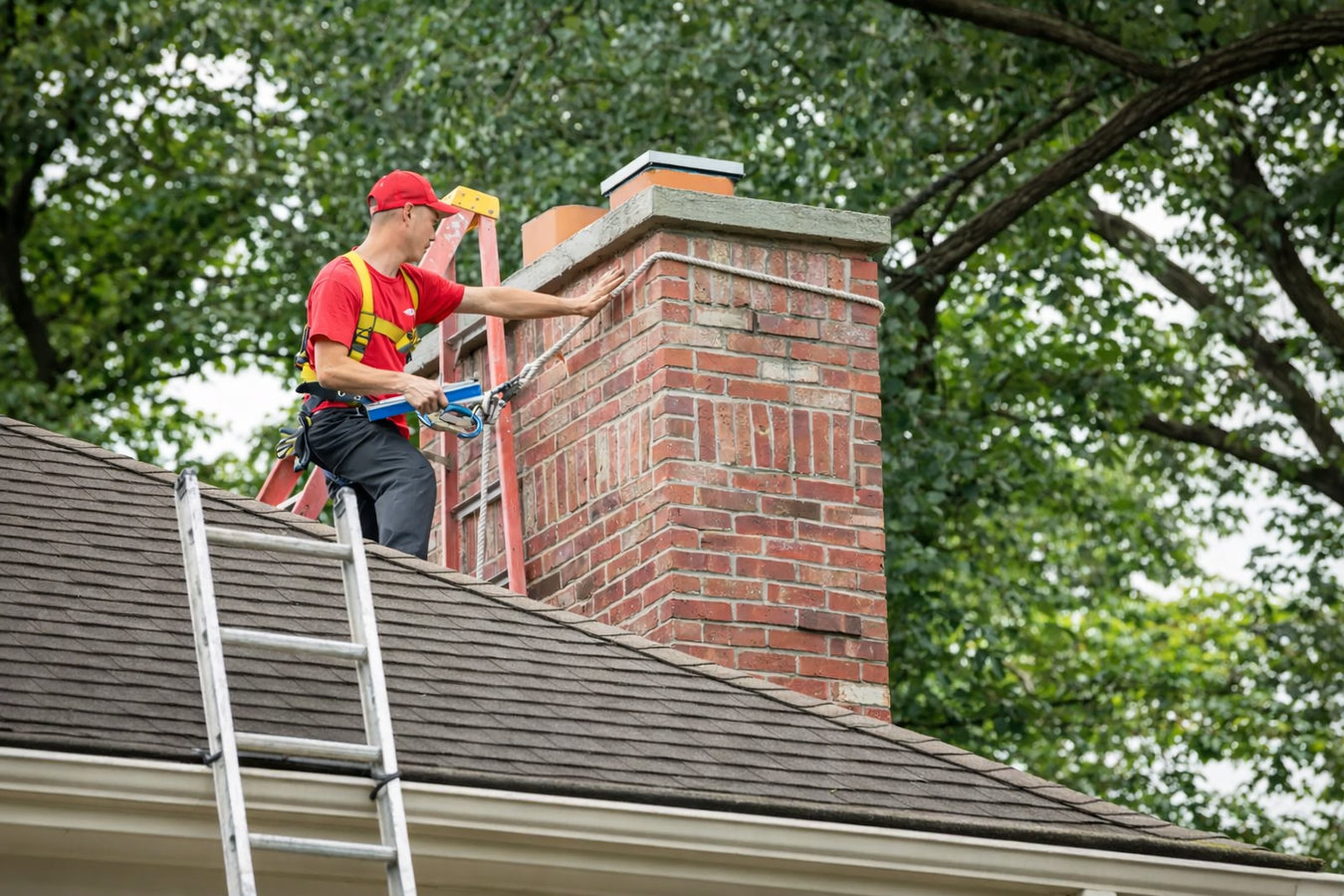
Crumbling mortar, white staining, and missing caps all mean moisture is getting in. We inspect, diagnose, and repair chimneys built to handle Inland Northwest winters.
Chimney repair in Liberty Lake, WA covers tuckpointing, crown sealing, cap replacement, liner repair, and structural masonry work, with most jobs completed in one to two days. The Inland Northwest freeze-thaw cycle that runs from November through March is the single biggest driver of chimney damage in this area. Water gets into small cracks in the mortar or crown, freezes, expands, and forces those cracks wider each time. A chimney that looked fine two years ago can have real structural issues today if it has not been inspected.
Liberty Lake homes built from the late 1980s through the 2000s are now in the age range where mortar joints, crowns, and liners commonly need attention for the first time. Many homeowners bought these homes without a chimney inspection, and the gradual damage from 20 or more winters is not always visible from the ground. If you use your fireplace regularly, the National Fire Protection Association recommends annual inspections. We also handle tuckpointing as a standalone service for homeowners whose mortar damage is limited to the chimney or exterior brick.
That chalky residue is called efflorescence. It means water is moving through the masonry and leaving mineral deposits behind as it evaporates. In Liberty Lake, where homes near the lake face extra moisture exposure and winters bring repeated freeze-thaw cycles, this staining often appears after a wet fall or hard winter. It is not cosmetic - it means water is already getting in, and the damage compounds if you do not act.
Stand back and look at your chimney from the yard. If the lines of mortar between bricks look sunken, cracked, or like they are falling out, the joints need repair. Liberty Lake winters accelerate this - once a small crack forms, each freeze-thaw cycle makes it bigger. Crumbling mortar is one of the most common chimney problems in this region and one of the most straightforward to fix when caught early.
A smell from the chimney when the fireplace is not in use often means the damper is not sealing properly, or water has entered the flue and created mold inside. Either situation means something is not working correctly. Odors from a chimney can sometimes indicate a more serious problem with the liner or the flue seal that deserves prompt attention.
Small chunks of clay tile or gritty dark material in the firebox are likely debris from a deteriorating flue liner. A damaged liner is a safety issue - it means the protective barrier between the fire and your home's structure is breaking down. This is not a wait-and-see situation. A professional inspection should happen before the fireplace is used again.
We handle everything from minor sealing work to full structural rebuilds. The most common repair in this region is tuckpointing - removing crumbling mortar and replacing it with fresh material matched to your existing chimney. Using the wrong mortar mix can actually make things worse by trapping moisture inside the brick, so matching the material matters. For homes where the firebox or surrounding masonry needs attention, we also provide fireplace installation and repair as part of the same project.
Crown sealing and cap replacement are small repairs that prevent big ones. A missing or cracked cap allows rain, snow, and animals into the flue. A compromised crown lets water soak into the top of the chimney structure itself. Both are inexpensive to address early and expensive to ignore. We carry materials suited to this climate, including sealants and mortar mixes that hold up through Liberty Lake's temperature swings.
For chimneys with crumbling or recessed mortar joints. Mortar is matched to the original to prevent moisture trapping.
For chimneys where the concrete crown at the top is cracked or compromised, allowing water to enter the structure.
For chimneys where the metal cap is missing, rusted, or damaged. Keeps rain, birds, and squirrels out of the flue.
For chimneys where the liner is cracked or deteriorating. A damaged liner is a safety issue that cannot wait.
For chimneys where sections have deteriorated beyond repair. Rebuilds from the roofline up using materials matched to the existing structure.
For chimneys where freeze-thaw damage has caused bricks to crack, flake, or break away from the face.
Liberty Lake sits in the Inland Northwest, where temperatures regularly dip below freezing at night and climb back above freezing during the day, sometimes multiple times in the same week from November through March. That back-and-forth is exactly what causes mortar and brick to crack. Water gets into a small gap, freezes and expands, then thaws and contracts, and repeats that cycle dozens of times each winter. The homes closest to Liberty Lake itself face an added challenge - the lake and surrounding wetlands create slightly higher ambient moisture, and chimneys here can absorb more water over a season than homes further from the water. We serve homeowners across Liberty Lake and Hayden, ID and have seen the same freeze-thaw damage patterns across both sides of the state line.
Liberty Lake developed rapidly as a planned community starting in the late 1980s, which means a large share of homes were built between 1988 and 2005. Chimneys on homes that age are entering the window where mortar joints, crowns, and liners commonly need attention for the first time. Wood-burning fireplaces are a genuine feature in many of these homes - not just decorative - and chimneys that actually get used accumulate creosote, experience more thermal stress, and need more frequent inspection than ones that sit idle. If you use your fireplace and have not had an inspection in the past year, the time to schedule one is before the season starts, not after.
We respond within 1 business day. Tell us what you have noticed - white staining, crumbling mortar, a smell, or debris in the firebox. You do not need to know the technical details. We will ask the follow-up questions when we call to schedule the visit.
We look at the chimney from outside, from the roof, and from inside the firebox. We check the mortar joints, crown, cap, and liner. After the inspection, you receive a written estimate listing every repair separately - not a vague total - so you can ask questions about each item before agreeing to anything.
If the repair involves structural work - rebuilding sections or replacing the liner - a Spokane County permit is required before work begins. We handle the application and coordinate the inspection. For minor repairs like crown sealing or cap replacement, permits are typically not required.
Most chimney repairs are done from the roof and from inside the firebox. You do not need to leave your home. Fresh mortar needs 24 to 48 hours to cure before the fireplace can be used again - sometimes longer in cold weather. We will give you a clear timeline before we start.
We respond within 1 business day. No obligation after the estimate. Once you submit, someone from our office will call to schedule a free on-site inspection at a time that works for you.
(509) 241-9340When chimney repairs require a Spokane County permit, we pull it and coordinate the inspection. You are not left wondering if the work is on record. Permitted work protects your home's value and gives you something solid to show a future buyer or insurance adjuster.
We have worked on homes throughout Liberty Lake and the surrounding Spokane Valley for years. We know the freeze-thaw damage patterns, the housing stock from the 1990s and 2000s, and the soil and moisture conditions near the lake. That local knowledge shapes how we diagnose and repair.
Using the wrong mortar mix on a brick chimney traps moisture and causes faster deterioration. We match materials to what your existing chimney was built with and use mixes suited to eastern Washington's temperature swings - not a one-size approach.
We respond within 1 business day and provide a written, line-by-line estimate before any work begins. The estimate explains what was found and what is recommended in plain language. You have time to review it, ask questions, and compare. The Chimney Safety Institute of America sets the inspection and repair standards we follow.
Chimney damage in Liberty Lake follows predictable patterns driven by the climate and the age of the housing stock. That predictability means we can diagnose accurately and repair efficiently. See the Chimney Safety Institute of America for inspection and certification standards, and check Spokane County Building and Planning for permit requirements that apply to structural chimney work in Liberty Lake.
When mortar damage extends beyond the chimney to exterior brick walls or other masonry, tuckpointing addresses the full scope in one project.
Learn MoreFor homeowners adding a new fireplace or rebuilding a deteriorated firebox as part of a broader chimney restoration project.
Learn MoreLiberty Lake's first hard freeze can arrive by October - every season with unaddressed mortar damage or a compromised cap makes the repair more expensive.